Hidden Symptoms of Stress You Shouldn’t Ignore
Date
July 14, 2026
Credits

Date
July 14, 2026
Credits
Medical providers featured in this article


In Brief
Stress is often accompanied by some obvious physical signs, such as tension headaches, chronic fatigue, frequent colds and infections, or loss of sex drive.
But in some cases, stress may reveal itself through not-so-obvious physical symptoms, from excessive hair loss to uncomfortable bowel movements.
Here, Cedars-Sinai experts break down why these lesser-known side effects of stress occur and how to find relief.
When our memory is clouded by stress, our ability to learn, recall and focus is reduced.
Hair Woes
Stress has the power to temporarily weaken hair follicles, causing the hair to fall out.
The average person loses up to 100 strands of hair a day. However, if you’re experiencing high levels of stress, you could lose up to 500.
Sudden hair loss triggered by emotional strain may also cause circular bald patches on the scalp. In rare instances, stress-induced hair loss can occur to the eyebrows, eyelashes, beard, underarms and other parts of the body.
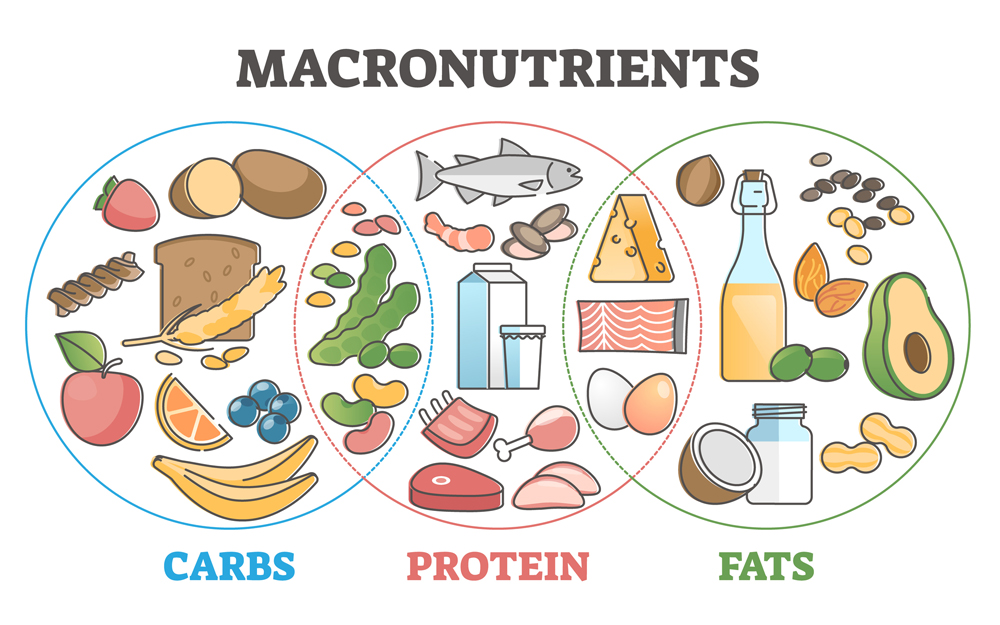
The good news is that once the stress is under control, the hair will likely grow back. Eating a high-protein diet also can help strengthen hair and promote regrowth.
Memory Loss
High levels of cortisol—known as the stress hormone—negatively affect the frontal lobe of the brain where short-term memory is stored.
"When our memory is clouded by stress, our ability to learn, recall, and focus is reduced," said neurologist Chrystal Reed, MD, PhD.
{{providers}}
{{cta-block}}
Plenty of sleep will not only help you relax, said Reed, but it will also give your mind a chance to recharge.
Reed also suggests creating a to-do list or keeping a journal. These exercises can help alleviate the worry that could come from not being able to remember something off the top of your head.
Facial Twitch
Adrenaline, also known as the “fight-or-flight hormone,” is released in response to stressful situations. Elevated levels of adrenaline can cause the facial muscles to tighten up, resulting in a twitching eye or quivering lip.
For most people, these involuntary contractions or motor tics are mild and feel similar to a light tug on the face, explained Reed.
Applying a hot compress or tea bag to the affected area and getting a lot of sleep will help relax the muscles.
"Reducing the amount of alcohol or caffeine you drink can help, too. It’s best to taper off the coffee because cutting it out immediately may bring on a headache," said Reed.
Period on Pause
When a woman’s body is under extreme pressure, it works extra hard to keep every system operating and shuts down anything that is nonessential, including the reproductive system, explained OB-GYN Jessica Chan, MD.
If the ovaries do not function properly, this could affect a woman's menstrual cycle and cause missed or irregular periods.
"A missed period should not be ignored," warned Chan. "Women need estrogen—which is released by the ovaries—to protect bones and heart function. A loss of estrogen might lead to long-term complications and impact her fertility.”
Reducing and preventing chronic stress is the best way to get your period back on track, said Chan.
However, hormone therapy may be needed to restore balance in the body.
Digestive Issues
The body’s response to trauma may affect the speed at which the colon contracts to process food through the intestines.
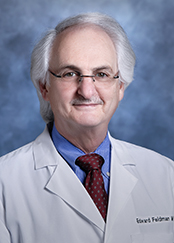
If your colon is working too quickly, it will create diarrhea. If it’s working too slowly, you could experience constipation, said gastroenterologist Edward Feldman, MD.
Excess stress especially affects those with conditions such as irritable bowel syndrome or inflammatory bowel disease.
To help ease the digestive symptoms of stress, Feldman recommends breathing in and out through your nose slowly and deeply while counting down from five, several times a day.
Strategies for Reducing Stress
It is almost impossible to escape stress in today’s fast-paced world, but there are many ways to reduce or relieve it. These include:
- Practicing mindfulness and positive self-talk
- Exercising regularly
- Maintaining a healthy diet
- Fostering healthy relationships
- Getting enough sleep
Ignoring high levels of anxiety can increase the risk of high blood pressure, a heart attack or even stroke.
If you're not sure how to control your stress triggers, talk to your primary care provider or consider seeing a professional counselor or therapist who can help you develop cognitive-behavioral coping skills.