Are Peptides Really an Anti-Aging Wonder Drug?
Date
July 28, 2026

Date
July 28, 2026
Credits
Medical providers featured in this article

In Brief
Wellness influencers are peddling peptides as the newest wonder drug in viral videos, podcasts and private clinics. These immensely popular shots and “stacks” are suddenly being sold to stall biological aging and its slew of chronic effects, with purported benefits extending to metabolism and sports injury.
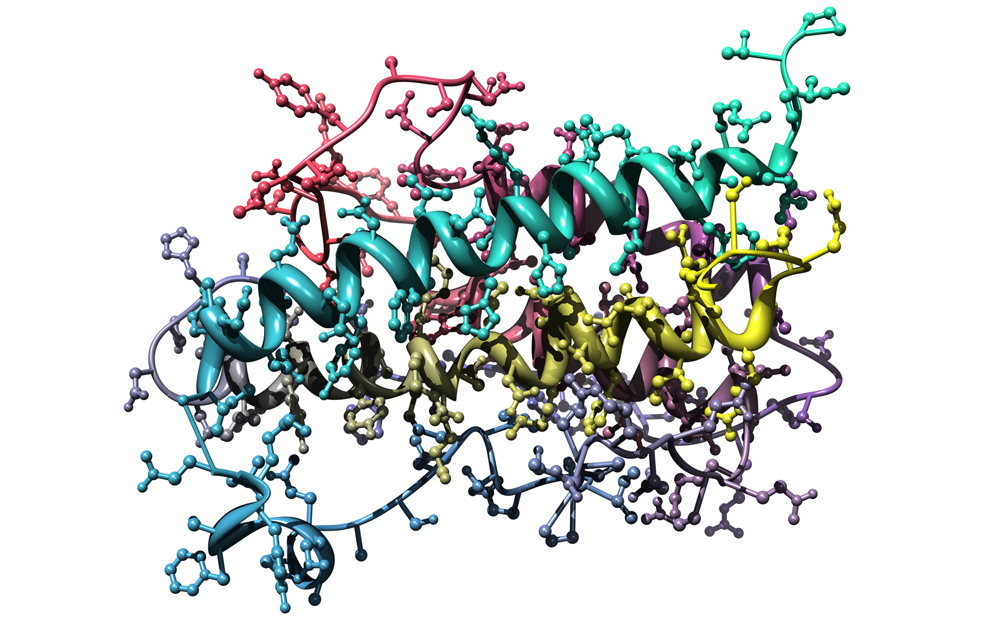
Peptides—protein-like, shorter chains of amino acids—are actually much older than many claims suggest. Thousands of them course through the bloodstream, brain, muscles and gut where they defend against infection, heal wounds, and spur healthy growth and many other essential functions.
In fact, medicine has tapped into their power for more than a century, since the monumental discovery of insulin. In the last five years, GLP-1s including semaglutide and tirzepatide—both peptides—are similarly transforming weight loss and obesity care.
“A peptide is a legitimate molecule made from things we know about and already use,” explained Jeremy Korman, MD, a bariatric surgeon at Cedars-Sinai Marina Weight Management Center.
You can’t box all of them in as snake oil. Peptides might fill an interesting space in our wellness.
Is the surging wave of peptide spinoffs really worthwhile, and do we understand their potential health risks?
Cedars-Sinai experts underscore that the latest treatments haven’t yet shown that they work in humans the same way as our body’s own, natural peptide supply. And they could do more harm than good.
“Whether there’s any truth behind this craze is very uncertain,” underscored James Kirkland, MD, PhD, director of Cedars-Sinai’s Center for Advanced Gerotherapeutics.
{{providers}}
Be Cautious and Wary of Unapproved, Unprescribed Peptide Therapies
In 2025, a Las Vegas longevity festival brought peptides into the spotlight and under intense scrutiny after two attendees were left hospitalized and required ventilation. Both had taken unregulated injections containing the molecules.
The U.S. Food and Drug Administration hasn’t approved any of the new, synthetic peptides such as BPC-157 and MOTS-c for these broad uses. In fact, 19 sit on the agency’s Category 2 list deeming them “unsafe” to be made by federally regulated labs.
That means publicly available peptide products must be designated as research-only and not intended for humans, though people usually buy them for their own wellness. Many more peptides come from a vast underground, unregulated market sold in bulk by overseas compounding pharmacies and drugmakers, especially in China. Hordes of Americans have stocked up on the medicines through social media sites without knowing their true origins.
Aging specialists warn against taking any medicines procured through shadowy methods. These “peptides” aren’t always directly traceable, nor identifiable, and you may get an entirely different blend of drugs and supplements than what you ordered.
“There are opportunists working in the gray areas of the internet and these storefront clinics who are taking advantage of people’s fear of what could happen when they get older,” Kirkland cautioned.
We also don’t know how peptides could interact with each other or with current supplements and prescribed medications.
Physicians stress that medical supervision is vital, particularly with the mushrooming volume and variations of these alternative treatments. Though Kirkland doesn’t recommend peptide compounds to patients, he advises anyone taking them to let their doctor know immediately. Bring all your pill bottles (including unprescribed supplements) to your next appointment or to your pharmacy for inspection.
{{cta-block}}
Peptide Potential
In the GLP-1 era, drugs such as semaglutide have become a beacon of hope to millions. Science and the public are eager to find out whether the protein derivatives could change the game for other health challenges that have long plagued us.
Korman pointed to physicians who understood that these types of medications, originally only intended for glucose control in diabetes, could spur weight loss nearly a decade before they were approved for this use.
Similarly, many new peptides actually stem from promising science, he added: natural processes such as mitochondrial function that propel agingand metabolism and that we can harness for cell repairs. Others encourage the body to release growth hormones that are central to development.
Scientists are exploring these encouraging pathways, said Kirkland.
“You can’t box all of them in as snake oil,” Korman stressed. “Peptides might fill an interesting space in our wellness. On one end of the spectrum are FDA-approved drugs, such as insulin for diabetes, and on the other is lifestyle adjustments. Do these newer peptides fit in between—maybe a bit beyond exercise, behavioral modification or even supplements—and carve out a niche there?”
He is especially excited by their potential in his patients with metabolic disease. Often struggling for decades prior to bariatric surgery, patients who undergo major weight loss can experience complex, unintended side effects such as depleted muscle mass and lagging energy. Cedars-Sinai’s weight management specialists wrap the patient in robust, holistic care including psychological, exercise and nutrition counseling and vigorous monitoring.
“I always tell patients, there’s no magic in speeding up metabolism, despite the commercials you see on TV,” Korman said. “Building muscle is the magic. Building muscle accelerates your metabolic rate.”
Early studies have found that certain peptides could potentially support patients in their recovery by offsetting muscle loss. This effect would also be valuable in protecting muscle and bone from natural declines that come with age.
“Can we use already FDA-approved peptides off-label to make our treatment even more comprehensive?” Korman said. “I would answer yes, but in a personalized and responsible way.”
More Investigation Is Needed into the ‘Emerging Field’ of Peptides
So far, the case for peptides relies largely on small studies in preclinical models or, simply, anecdote.
“There’s a lot of hype,” said Kirkland, “but aging treatments that work in cell cultures, fruit flies or nematode worms don’t necessarily translate to people.”
Oral doses are especially uncertain, because of how they’re broken down in the gut (not absorbed).
The dearth of evidence extends to safety as well. All medicines carry a risk of side effects—and we don’t know the pitfalls of synthetic peptides until properly regulated trials have been conducted.
For example, there is concern that encouraging cells to regenerate could unintentionally promote tumor growth alongside healthy cells. Preclinical studies have also demonstrated that large amounts of hormone peptides could instead shorten lives.
As federal regulators weigh allowing peptide compounding for individuals, physicians say the priority should be to tease out inflammatory impact and any danger to organs, including the kidney and liver and the closely connected endocrine system.
“Many hormones are peptides, and they’re essential, but disturbing their balance in someone who’s healthy and doesn’t have an endocrine disorder is not necessarily a wise idea,” Kirkland emphasized.
Reimagining Older Age
As we age, our bodies’ cells break down, setting off a cascade of inflammatory biological and genetic changes that also hinder tissue healing and regrowth.
Through dozens of revolutionary clinical trials, Cedars-Sinai’s Translational Geroscience and Advanced Gerotherapeutics centers are seeking to treat these “hallmarks of aging” to slow, prevent and reverse more than 70 related diseases including dementia, osteoporosis, arthritis and diabetes.
While peptide research is so far scant, the institution’s experts understand the desires driving the boom: We are living longer, but health span has not yet caught up to lifespan. More than half of us have at least one chronic condition by age 60 and older, leaving us in pain, frail and reliant on an ever-increasing number of medications.
In Cedars-Sinai’s newly launched healthy aging clinic, overseen by geriatrician Sara Espinoza, MD, doctors are personalizing approaches that could lift their burden. Among them—“n-of-1” studies that will enable them to closely track over a long window of time patients who do decide to try anti-aging drugs and supplements such as peptides. This could flag serious risks or even, if patients’ health improves, form the basis of future clinical trials.
“People are doing crazy things,” Kirkland said, “but sometimes—a small percentage of the time—those crazy things are right.”
Frequently Asked Questions
What are peptides?
Peptides are short chains of amino acids, similar to proteins but much smaller. These molecules exist throughout the human body and have been used in medicine since insulin, with more than 30 approved. Revolutionary GLP-1s, including semaglutide and tirzepatide, are also peptides.
How is the emerging class of peptide treatments different from earlier versions?
Many new, alternative peptides are synthetic injectables and compounds that haven’t been approved by the FDA.
Are peptides safe?
Medicines and supplements that come from illegal or overseas manufacturers may contain completely different, potentially harmful ingredients and should be avoided. Unapproved peptides could also interact with your other medications, test results or health conditions and need further study.
Do experts recommend peptides?
Cedars-Sinai physicians emphasize caution—and suggest waiting until there is more evidence in humans, particularly into how the drugs are absorbed and the possible risks. Peptides do rely on promising scientific pathways, though, that preclinical studies have shown may help to protect muscle, joints and other metabolic disease or age-related degeneration. If you take any peptides, let your doctor know right away—and bring the bottle with you, so they can verify ingredients.